The Timeless Beauty of Garnet: A Deep Dive into January’s Birthstone
Garnet, known for its deep and fiery hues, has long been cherished as a symbol of vitality, passion, and protection. As January’s birthstone, garnet brings warmth and light to a cold month, symbolizing hope, strength, and renewal as a new year begins. The gem’s timeless beauty lies not only in its striking appearance but also in the layers of meaning that have been attributed to it over the centuries.
Beyond its role as a birthstone, garnet has played a significant part in the history of various cultures. The word “garnet” comes from the Latin word granatus, meaning “seed-like,” a reference to the stone’s resemblance to pomegranate seeds. The stone has been found in the jewelry of ancient Egypt, where it was believed to bring protection in the afterlife, and in the amulets of medieval warriors who saw it as a shield against injury. Today, garnet remains a powerful symbol, often associated with love, friendship, and deep personal connections.
In the modern world, garnet’s enduring appeal lies in its versatility, durability, and range of colors. With its rich history and deep symbolic meaning, garnet is more than just a beautiful gemstone—it’s a timeless symbol of strength and protection, perfect for those born in January or anyone drawn to its fiery allure.
Garnet Gemstones: History, Meaning, and Modern Appeal
Garnet’s history stretches back over 5,000 years, making it one of the oldest known gemstones in the world. From the pharaohs of ancient Egypt to the noblemen of the Roman Empire, garnet has been a gemstone favored for its rich color and mystical powers. Ancient Egyptians often buried their dead with garnet jewelry, believing it would provide protection in the afterlife. Roman warriors carried garnet amulets into battle, trusting the stone to bring them strength and shield them from harm.
In medieval times, garnet was believed to bring good health and protect against poison, often appearing in royal jewelry as a symbol of wealth and power. The stone was also worn to enhance passion and love, making it a popular choice for romantic tokens. Its deep, blood-red hue connected it to the heart and circulation, further enhancing its reputation as a healing stone.
In the modern era, garnet remains a favorite gemstone for both jewelry designers and collectors alike. Its wide range of colors, including vibrant greens, oranges, and purples, make it a versatile choice for contemporary jewelry. Garnet’s durability and relative affordability compared to other gemstones ensure that it remains an appealing option for those seeking beauty and elegance in both fine and casual jewelry. Garnet is often set in everything from engagement rings to ornate necklaces, reflecting both its historical significance and modern appeal
Exploring the Many Shades of Garnet: More Than Just Red
When most people think of garnet, they imagine a deep, dark red gemstone. However, garnet is actually a group of silicate minerals that come in a wide variety of colors, each with its own distinct qualities and appeal. The traditional red garnet is known as almandine or pyrope, and its intense hue is what gives garnet its reputation as a fiery, passionate stone. But beyond red, garnets can be found in greens, oranges, yellows, and even blues.
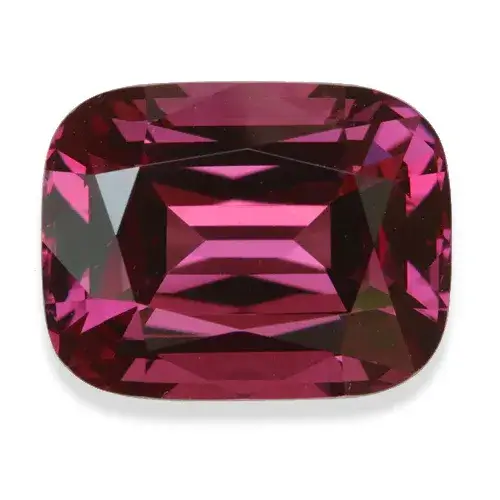
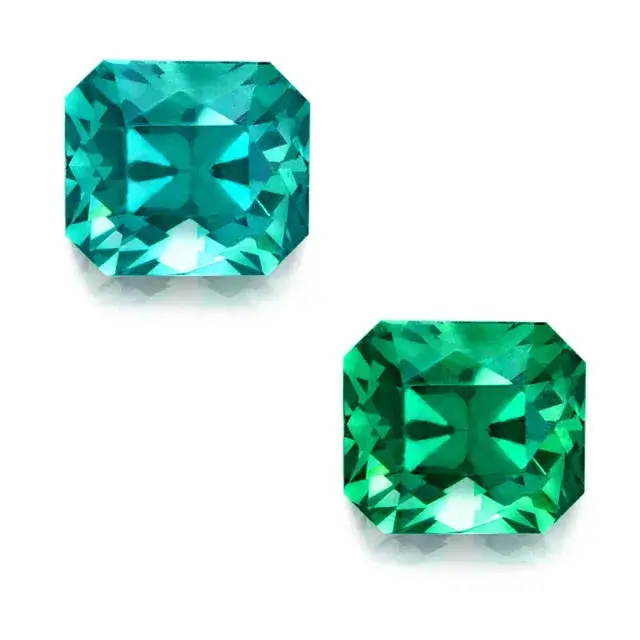
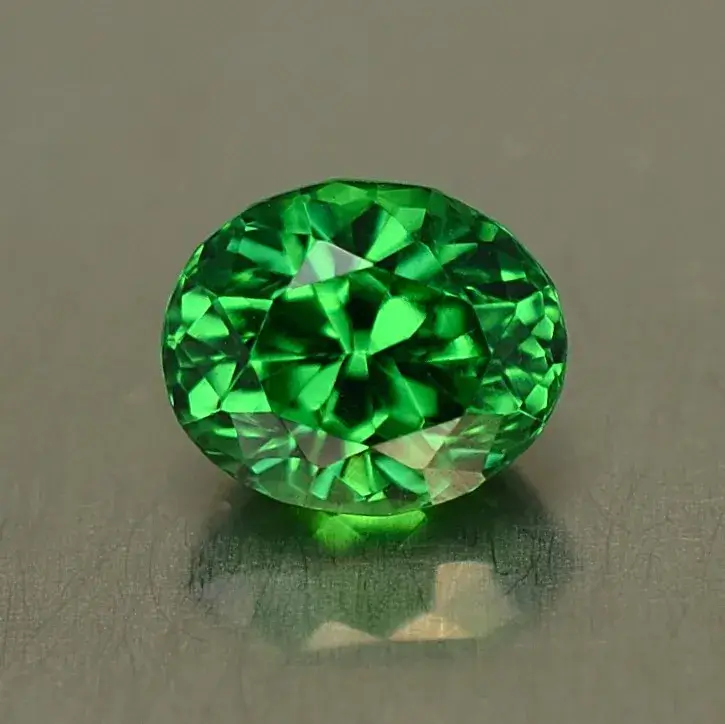
Tsavorite garnet, for example, is a stunning emerald-green variety discovered in the 1960s in East Africa. Its brilliant color rivals that of some of the finest emeralds, but it’s more durable and often more affordable. Spessartite garnet ranges from warm orange to vibrant yellow, making it a popular choice for unique jewelry designs that stand out from more traditional gemstones. Rhodolite garnet, a blend of pyrope and almandine, exhibits beautiful purplish-red hues, often with a lighter and more radiant appearance than typical red garnet.
Perhaps the rarest of all is blue garnet, which was only discovered in the late 1990s. This extraordinary gem changes color depending on the light, shifting from blue in daylight to purple under incandescent lighting. This color-changing ability makes it one of the most sought-after types of garnet, with prices reflecting its rarity.
Each type of garnet has its own distinct beauty, making it an incredibly versatile stone for all kinds of jewelry. Whether you prefer the deep reds of classic garnet or the vibrant greens and oranges of its more exotic forms, garnet offers a color for every personality and style.
Garnet’s Healing Powers: Myths, Facts, and Folklore
Throughout history, garnet has been revered for its healing powers and protective qualities. In ancient times, people believed that garnet could cure a wide range of ailments, from inflammation to heart problems. It was thought to improve blood circulation and was often worn by warriors to increase their strength and endurance in battle. In the Middle Ages, garnet was also believed to protect the wearer from poison and plague.
One of the most common myths surrounding garnet is its ability to prevent nightmares. Many ancient cultures placed garnet under their pillows or wore it while sleeping, believing that it could drive away bad dreams and bring restful, rejuvenating sleep. Garnet was also thought to bring good fortune, success in business ventures, and protection on long journeys.
In terms of modern metaphysical practices, garnet is often used to balance the body’s energy and enhance feelings of passion, creativity, and vitality. It is believed to cleanse and energize the chakras, particularly the root chakra, which is associated with grounding and security. Some believe that garnet can also help overcome emotional trauma and promote feelings of peace and stability.
While these healing powers are rooted in myth and folklore, many wearers of garnet feel a deep, personal connection to the stone and the positive energy it represents. Whether worn for protection or as a source of inspiration, garnet’s healing powers continue to captivate and inspire.
How to Choose the Perfect Garnet: A Buyer’s Guide
Choosing the perfect garnet requires an understanding of the gemstone’s qualities, from color and cut to clarity and carat weight. Garnet’s versatility makes it a great choice for all types of jewelry, but there are a few key factors to consider when making a purchase.
Color is one of the most important aspects to evaluate. While deep red garnets are the most traditional, garnet comes in a variety of colors, from green to orange to purple. Each color variety has its own distinct characteristics, and some colors, like tsavorite and blue garnet, can be quite rare and valuable. Look for a stone with rich, vibrant color, free from dullness or brownish tones.
Clarity is another important factor. Garnets, particularly red varieties, often have inclusions or small internal flaws. However, high-quality garnets will have few visible inclusions, especially when viewed with the naked eye. Stones that are eye-clean tend to be more valuable and make for a clearer, more brilliant gem.
Cut is crucial in showcasing a garnet’s brilliance. A well-cut garnet will reflect light evenly across the stone’s surface, enhancing its natural sparkle. Common cuts for garnet include round, oval, and cushion, but garnet is also available in more unique shapes like pear and emerald cuts, allowing for creativity in jewelry design.
Finally, consider the carat weight and size. Garnets are generally more affordable than other gemstones, meaning you can often opt for a larger stone without breaking the bank. However, larger stones may exhibit more noticeable inclusions, so balance size with quality.
By keeping these factors in mind, you can choose a garnet that perfectly suits your taste, whether you’re looking for a classic deep red stone or a rare, exotic variety. Always purchase from reputable dealers, and consider asking for a certificate of authenticity if you’re buying a high-end garnet.
The Symbolism of Garnet: Love, Passion, and Protection
Garnet has long been associated with powerful emotional and spiritual meanings, symbolizing love, passion, and protection. Its deep red color connects it to the heart, and throughout history, it has been a popular choice for lovers seeking to express their devotion. In fact, garnet is often exchanged as a token of love and fidelity, symbolizing the deep bonds between partners.
Beyond romantic love, garnet is also a symbol of friendship and trust. Ancient travelers would exchange garnet stones as a promise of their enduring connection, believing that the stone would protect them while they were apart. This symbolism of love and protection endures today, making garnet a meaningful gift for those we care about most.
In metaphysical practices, garnet is thought to stimulate feelings of passion, creativity, and energy. It’s often used to awaken and balance the root chakra, providing grounding and stability. Many believe that wearing garnet can boost self-confidence and courage, helping the wearer face challenges with renewed strength.
Whether given as a romantic gesture or worn as a personal talisman, garnet’s symbolic power makes it one of the most emotionally resonant gemstones. Its ability to inspire love, passion, and protection continues to make it a meaningful and treasured stone.
From Ancient Egypt to Modern Jewelry: Garnet’s Global Journey
The journey of garnet spans continents and millennia, from the tombs of ancient Egypt to the chic jewelry boutiques of modern-day Paris and New York. The earliest known use of garnet dates back to over 5,000 years ago, when it was buried with pharaohs to guide them safely into the afterlife. Garnet’s deep red color was also linked to the blood of warriors, making it a powerful symbol of protection in ancient Rome and Greece.
During the Middle Ages, garnet was considered a royal gem, worn by European kings and queens in crowns, necklaces, and rings. Its rich red hue symbolized wealth and power, and its connection to the heart made it a popular stone for royal family members seeking to emphasize their divine right to rule.
In more recent history, garnet became a favorite of the Victorians, who used the stone in intricate, romantic designs. The deep red garnet was often paired with gold or silver to create stunning brooches, earrings, and pendants. Victorian garnet jewelry remains highly collectible today, with its ornate craftsmanship and historical significance.
In the modern era, garnet continues to evolve in both high fashion and everyday jewelry. Designers have embraced the stone’s versatility, creating contemporary pieces that range from sleek, minimalist settings to bold, statement designs. Garnet’s global journey is far from over, as the stone remains a beloved choice for those seeking beauty, history, and meaning in their jewelry.
Why Garnet is More Than a Birthstone: Unlocking Its Unique Powers
While garnet is widely known as the birthstone for January, its significance extends far beyond that single designation. Garnet has been valued for its unique powers throughout history, from its protective qualities to its ability to inspire passion and creativity. It’s often considered a stone of transformation, helping the wearer overcome challenges and reach their full potential.
In crystal healing practices, garnet is used to stimulate energy and promote a sense of stability and security. It’s believed to enhance motivation, making it a popular stone for those looking to achieve their goals or move forward in life. Garnet is also thought to inspire feelings of love and intimacy, often being used in rituals to strengthen relationships and deepen emotional bonds.
Beyond its metaphysical properties, garnet’s wide range of colors and affordable price make it a versatile gemstone for a variety of purposes. It’s often worn as a talisman for good fortune, particularly in business or creative ventures. For many, garnet represents more than just a birthstone—it’s a powerful symbol of personal growth, passion, and resilience.
Garnet vs Other Red Gems: What Sets It Apart?
Red garnet often competes with other red gemstones, like ruby, spinel, and red tourmaline, for attention, but garnet has qualities that set it apart. One of the key differences is its affordability—while ruby can be extremely expensive, garnet offers a more accessible option without sacrificing beauty. Garnet’s deep red hues, particularly in varieties like pyrope and almandine, can rival the intensity of high-quality rubies but at a fraction of the price.
Durability is another factor. Garnet ranks between 6.5 and 7.5 on the Mohs hardness scale, making it durable enough for everyday wear, though not as hard as ruby or spinel. However, garnet’s toughness means it resists chipping and cracking, making it a practical choice for rings, earrings, and pendants.
What truly sets garnet apart is its range of colors. Unlike ruby, which is limited to red, garnet comes in a variety of hues, including green (tsavorite), orange (spessartite), and purple (rhodolite). This diversity allows garnet to appeal to a broader audience, offering something for everyone, whether they’re seeking a traditional red gem or something more unique.
In terms of symbolism, garnet is closely tied to themes of protection, passion, and friendship, while ruby is more often associated with love and desire. For those seeking a gemstone with a rich history and deep, meaningful symbolism, garnet offers a compelling alternative to other red gems.